Travel to Singapore
Day 3 Little India
We devoted the morning of our third day in Singapore to exploring Little India, one of the city's best-preserved ethnic districts. The neighborhood developed during the nineteenth century, when Indian immigrants settled in the area under the urban plan introduced by Sir Stamford Raffles. Many of the first residents worked as cattle traders, merchants, labourers, and civil servants, gradually transforming the district into the commercial and cultural centre of Singapore's Indian community. Today, Little India remains one of the country's most vibrant neighbourhoods, combining Hindu temples, Buddhist shrines, traditional businesses, restaurants, markets, and restored shophouses. Although the area has modernised over time, many of its historic streets still preserve their original layout and architecture. Information panels installed throughout the district explain its historical evolution and the different communities that have contributed to its development. We began our walking tour shortly after breakfast, following a route that connected the principal religious and cultural landmarks of the neighbourhood.
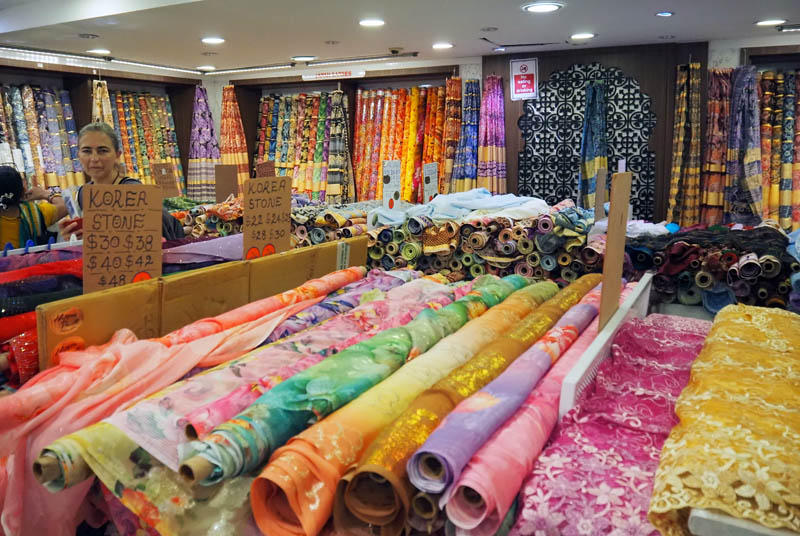
Singapore - Litle India
Our first walk took us through the streets surrounding Serangoon Road, where numerous traditional shops and market stalls line both sides of the road. Many businesses specialise in Indian textiles, gold jewellery, spices, flower garlands, incense, musical instruments, and products used in Hindu religious ceremonies. Colourful fabrics hang from storefronts, while open-air stalls display fresh fruit, vegetables, herbs, and traditional sweets. The restored nineteenth-century shophouses combine commercial premises on the ground floor with residential accommodation above, following the typical architectural style found throughout historic Singapore. Covered walkways protect pedestrians from the tropical climate, while bilingual signs in English and Tamil reflect the area's multicultural identity. During the morning, many local residents were shopping for groceries or purchasing offerings to be taken to nearby temples, giving the streets a constant level of activity.
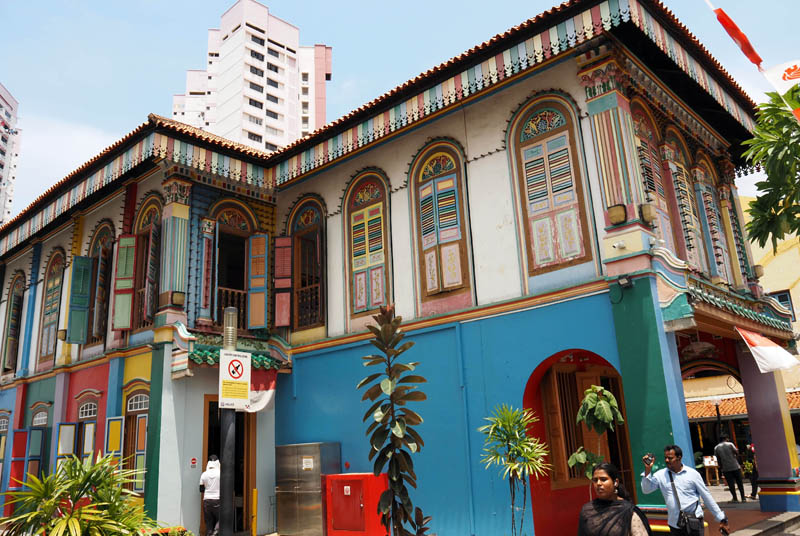
Singapore - Former House of Tan Teng Niah
Continuing along our route, we reached the Former House of Tan Teng Niah, one of the most recognisable historic buildings in Little India. Built around 1900, it was the residence of Tan Teng Niah, a Chinese businessman involved in the confectionery industry. The villa is one of the last surviving Chinese residences within Little India and has been carefully restored under Singapore's conservation programme. The building combines Southern Chinese architectural traditions with decorative European influences, featuring brightly painted façades, ornamental window frames, carved timber shutters, and elaborate plasterwork. Information boards explain the history of both the house and its owner, illustrating the close commercial relationships that existed between Singapore's different ethnic communities. Although the interior is not generally open to visitors, the exterior remains one of the district's best-known heritage landmarks.
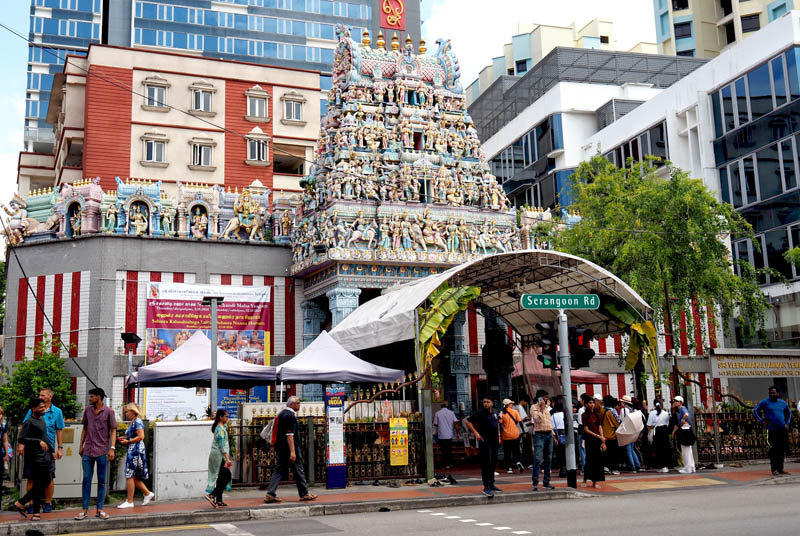
Singapore - Sri Veeramakaliamman Temple
A short walk brought us to the Sri Veeramakaliamman Temple, one of Singapore's oldest Hindu temples. Founded in 1881 by Indian immigrants from Bengal, the temple is dedicated to Goddess Kali, a deity associated with strength and protection. Its entrance is dominated by a richly decorated gopuram, covered with hundreds of brightly coloured sculptures representing Hindu gods, goddesses, mythical creatures, and sacred symbols. Inside the temple complex, several shrines surround a central prayer hall where daily religious ceremonies continue to be held. Visitors are welcome outside prayer times after removing their shoes and observing the dress requirements. Informational displays explain the symbolism of the temple's sculptures and the religious significance of Kali within Hindu tradition. The temple remains an important centre for religious festivals, particularly Deepavali and Navaratri, attracting large numbers of worshippers throughout the year.
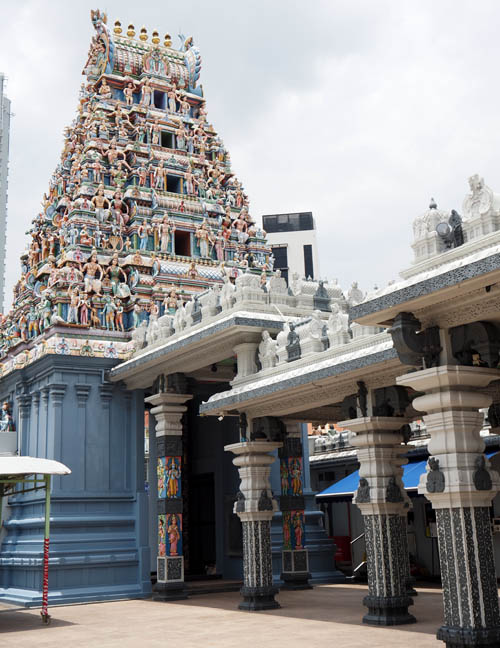
Singapore - Sri Srinivasa Perumal Temple
From there, we continued north to the Sri Srinivasa Perumal Temple, one of Singapore's principal Vaishnavite temples. Completed in its present form during the 1960s, although its origins date back to the nineteenth century, the temple is dedicated to Lord Vishnu, represented here as Perumal. The entrance tower rises above Serangoon Road and is decorated with numerous statues illustrating scenes from Hindu mythology. The temple is especially significant during the annual Thaipusam festival, as it serves as the starting point for the ceremonial procession to the Sri Thendayuthapani Temple. Inside, a series of shrines honour Vishnu and several other Hindu deities, while carved pillars and colourful ceiling decorations reflect traditional South Indian temple architecture. Information panels describe the rituals associated with the temple and explain the importance of Thaipusam within Singapore's Hindu community.
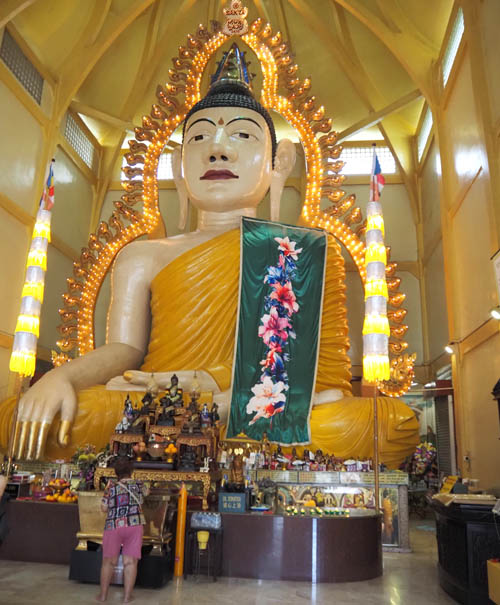
Singapore - Sakya Muni Buddha Gaya Temple
Leaving the Hindu temples behind, we walked to the Sakya Muni Buddha Gaya Temple, commonly known as the Temple of a Thousand Lights. Founded in 1927 by the Thai monk Venerable Vutthisara, the temple belongs to the Theravada Buddhist tradition. Its principal attraction is a 15-metre seated Buddha, one of the largest Buddha statues in Singapore, surrounded by numerous oil lamps that gave the temple its popular name. The interior also contains murals depicting scenes from the Buddha's life, together with smaller statues representing different Buddhist traditions. A short distance away stands the Leong San See Temple, a Chinese Buddhist and Taoist temple established in 1917. Dedicated primarily to Guanyin, the Goddess of Mercy, the temple displays traditional Chinese architectural elements including curved roofs, ceramic ornaments, stone carvings, incense burners, and richly decorated wooden beams. Both temples illustrate the religious diversity that characterises Little India despite the district's predominantly Indian cultural identity.
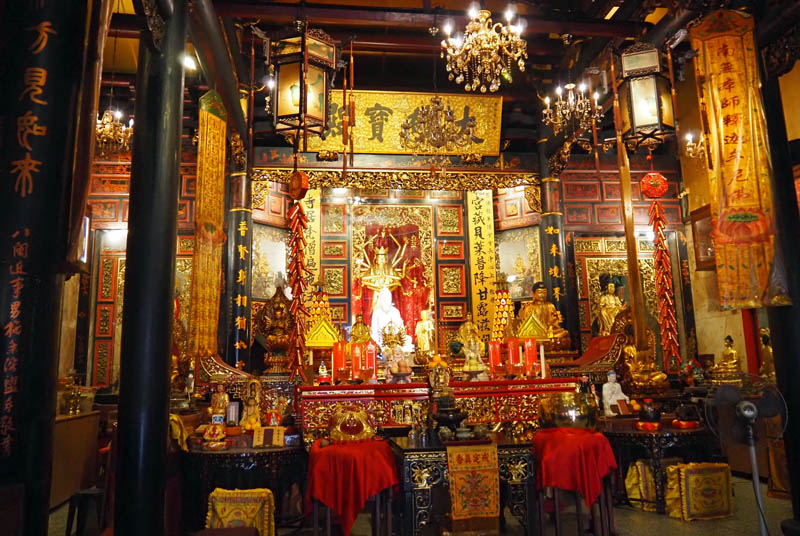
Singapore - Leong San See Temple
Our final religious site was the Sri Vadapathira Kaliamman Temple, another important Hindu temple dedicated to Goddess Kali. Established during the early twentieth century and expanded several times since then, the temple is immediately recognisable by its elaborate entrance tower covered with finely detailed sculptures representing Hindu deities and mythological scenes. The prayer halls contain numerous shrines dedicated to Kali and other gods, while colourful ceiling paintings depict episodes from Hindu sacred texts. The temple remains an active place of worship and hosts regular religious ceremonies, festivals, and community events throughout the year. Visitors are allowed to enter designated areas after removing their footwear, while explanatory signs provide information about the symbolism of the artwork and the role of the temple within Singapore's Tamil Hindu community.
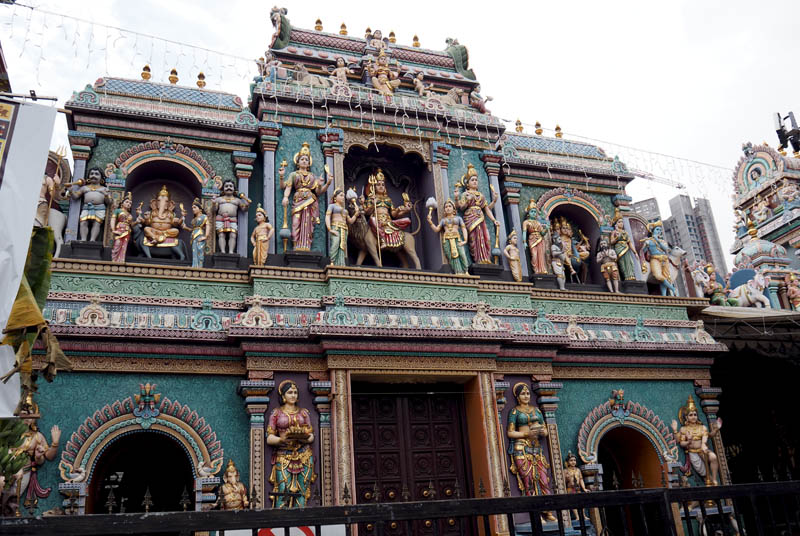
Singapore - Sri Vadapathira Kaliamman Temple
After completing our walking tour of Little India, we left the historic district during the hottest part of the day. To take a break from the high temperatures, we walked to City Square Mall, located next to Farrer Park MRT Station, where we stopped for lunch in the air-conditioned food court. The shopping centre combines retail outlets, restaurants, and dining areas, making it a convenient place to pause before continuing our itinerary. After lunch, we entered Farrer Park MRT Station and travelled a short distance by Singapore's Mass Rapid Transit system to the Arab Quarter, where we began the afternoon's exploration of another of the city's historic ethnic neighbourhoods.